What to Do With Water-Damaged Furniture, Photos, and Belongings After a Flood
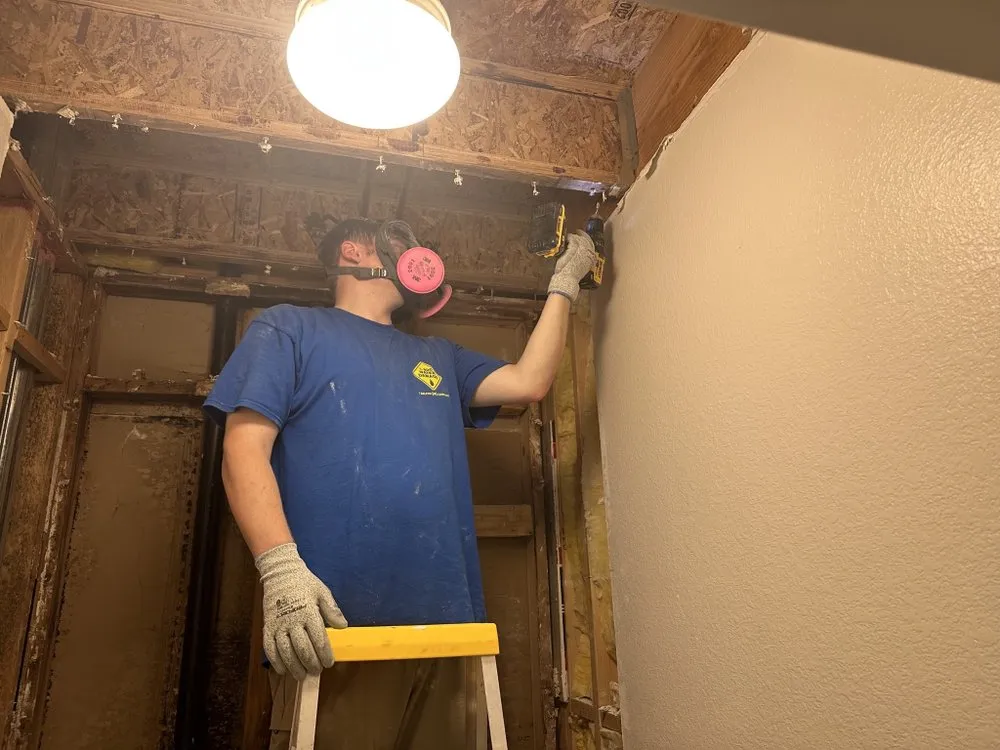
The structural damage from a flood gets all the attention — water extraction, structural drying, drywall replacement. But the question we hear most from homeowners in the first 24 hours isn't about walls or floors. It's about their stuff.
"Can my grandmother's dining table be saved?" "What about the photo albums in the closet?" "My daughter's baby pictures were in the bottom drawer — is there anything I can do?"
These aren't trivial concerns. Personal belongings carry memories that can't be replaced at any price. After helping hundreds of Riverside County families recover from floods, burst pipes, and sewage backups, we've learned exactly what can be saved, what can't, and — most importantly — what to do in the critical first 48 hours to give your belongings the best chance of survival.
The 48-Hour Salvage Window: Why Time Is Everything
The same 48-hour mold rule that applies to your home's structure applies to your belongings. Within 24–48 hours of water exposure, mold begins colonizing any organic material — wood, paper, fabric, leather. Once mold takes hold on a photo album, a leather jacket, or a wooden heirloom, salvage becomes exponentially harder and more expensive.
Riverside County's warm climate accelerates this timeline. In summer months when indoor temperatures can exceed 80°F, mold can begin establishing colonies in as little as 12–18 hours. This is why we tell every homeowner the same thing: start the salvage process immediately, even before the restoration crew arrives.
Here's what happens to your belongings on a timeline:
- 0–6 hours: Most items can still be saved if removed from water and dried properly. This is the golden window.
- 6–24 hours: Wood begins to swell and warp. Paper products start to disintegrate. Fabrics develop odor. Salvage is still possible but more difficult.
- 24–48 hours: Mold colonization begins. Dyes bleed permanently. Wood joints loosen. Photo emulsions start dissolving. Professional intervention becomes necessary.
- 48+ hours: Mold is actively growing. Many items that were salvageable at 24 hours are now beyond recovery. Health risks from handling contaminated items increase.
Before You Touch Anything: Re-Entering a Flooded Home Safely
Your belongings are important — but your safety comes first. The CDC's flood safety guidelines recommend checking for these hazards before re-entering a flooded property:
- Downed power lines: Do not walk through standing water near exterior power lines. Water conducts electricity and the risk of electrocution is real. If you see downed lines, call your utility company immediately.
- Inspect exterior gas lines: Look for cracks or damage to gas lines. If you smell gas or suspect a leak, do not enter — move away and call the fire department.
- Electrical hazards inside: If water reached any outlets, appliances, or your electrical panel, have the power disconnected before entering. Never flip switches or use appliances while standing in water.
- Structural damage: Check for sagging ceilings, buckled floors, and cracked walls. A saturated ceiling can collapse under hundreds of pounds of water weight without warning.
- Wildlife: Insects, snakes, and rodents may have entered your home through floodwaters — especially in areas like Winchester, San Jacinto, and rural Valle Vista. Move cautiously and wear closed-toe shoes.
- Contamination: If the flooding involved sewage or storm runoff, all standing water should be treated as a biohazard. Wear rubber gloves, boots, and an N95 mask.
What Can Typically Be Saved vs. What Usually Can't
Not everything exposed to water is automatically ruined. The salvageability of an item depends on three factors: the material, the type of water (clean, gray, or black/sewage), and how long it was submerged.
🪑 Wood Furniture
Often salvageable — if it's solid hardwood (oak, maple, cherry, walnut) and was exposed to clean or gray water for less than 48 hours. The key is slow, controlled drying:
- Remove the piece from standing water immediately
- Wipe off excess moisture — do not soak or scrub
- Remove drawers and doors to allow air circulation inside
- Place the furniture in a shaded, well-ventilated area (not in direct sunlight — rapid drying causes warping and cracking)
- Use fans to circulate air around (not directly on) the piece
- Allow 2–4 weeks to dry completely before refinishing
Usually NOT salvageable: Particleboard, MDF (medium-density fiberboard), and pressed-wood furniture. These materials absorb water like a sponge and swell permanently — once expanded, they cannot be compressed back. Laminate surfaces will bubble and delaminate. If you tap the material and it feels soft or spongy, it's gone.
Veneer furniture sits in the middle: the solid core may survive, but the veneer itself often bubbles and separates from the substrate. A furniture restorer may be able to re-glue veneer, but the cost may exceed the item's value for mass-produced pieces.
📸 Photographs and Photo Albums
Often salvageable — but extremely time-sensitive. Photograph emulsions (the image-bearing layer) begin dissolving and fusing within 24–48 hours when wet. Here's what to do:
- Do NOT peel stuck photos apart. This tears the emulsion layer and destroys the image permanently. If photos are stuck together, keep them wet.
- Carefully rinse each photo under clean, cool running water to remove mud, sediment, and contaminants
- Lay face-up on a clean, absorbent surface (unprinted newsprint or paper towels) in a well-ventilated, shaded area
- Don't stack wet photos on top of each other
- Do not use a hair dryer, heat gun, or direct sunlight — heat destroys emulsions
Pro tip for irreplaceable photos: If you have more wet photos than you can air-dry within 48 hours, place them in a sealed plastic bag with clean water and freeze them. Freezing halts all deterioration — the images won't degrade further while frozen. This buys you weeks to work through the collection or consult a professional photo conservator. The Library of Congress recommends this freeze-drying approach for salvaging water-damaged paper and photographic materials.
📄 Important Documents
Often salvageable — using similar techniques to photographs. For wet documents (birth certificates, titles, tax records, legal papers):
- Separate individual pages carefully while still wet — dry paper tears more easily than wet paper
- Lay flat on absorbent surfaces or hang on a clothesline (use plastic clips, not metal — rust stains are permanent)
- For large volumes of documents you can't dry quickly, freeze them in sealed bags — same technique as photos
- Once dried, documents will be wrinkled and wavy. Place under weighted flat surfaces (heavy books) between sheets of wax paper to flatten
Important: Even if a document is severely damaged, do NOT throw it away. Most government agencies (Social Security, DMV, county recorder) can reissue certified copies using the damaged original as verification. Damaged is better than gone.
🛋️ Upholstered Furniture and Mattresses
It depends on the water type:
- Clean water (Category 1 — burst supply line, faucet overflow): Upholstery may be professionally cleaned and dried. Cushion foam and padding typically need replacement even if the frame and fabric survive.
- Gray water (Category 2 — dishwasher overflow, washing machine): Professional cleaning is sometimes possible, but padding and foam should always be replaced.
- Sewage/floodwater (Category 3 — sewer backup, storm flooding): Discard. It is virtually impossible to fully decontaminate foam padding, batting, and porous upholstery fabric from sewage pathogens. This isn't being wasteful — it's a health issue. The EPA recommends discarding porous materials that have been contaminated with floodwater.
Mattresses: In nearly all cases, water-damaged mattresses should be discarded. The dense foam and internal springs create an environment that's nearly impossible to dry completely, making them a breeding ground for mold and bacteria — even from clean water exposure.
💻 Electronics
Potentially salvageable — but requires professional assessment.
- Do NOT turn on any electronic device that has been exposed to water. Powering on a wet device causes short circuits that destroy components that might otherwise have been saved.
- Disconnect from power immediately. Remove batteries if accessible.
- Rinse circuit boards with distilled water (not tap water — minerals cause corrosion) if you're comfortable opening the device.
- Allow to air dry completely — at least 72 hours — before any attempt to power on.
- Hard drives and SSDs from computers may be recoverable by data recovery specialists even if the computer itself is destroyed. Remove the drive and keep it sealed in a dry bag.
👕 Clothing and Textiles
Usually salvageable — clothing, linens, curtains, and most machine-washable textiles can be cleaned and restored after water damage, provided they're washed within 48 hours:
- Rinse thoroughly in clean water before washing to remove contaminants
- Wash on the hottest cycle the fabric label allows, with detergent and a cup of white vinegar (antimicrobial)
- Dry completely — preferably in sunlight, which has natural antimicrobial properties
- If items smell musty after washing, repeat the cycle or consider professional dry cleaning
Exception: Textiles contaminated with sewage (Category 3 water) should be discarded if they can't be sanitized at high temperatures. Delicate items like silk, suede, and leather may need professional textile restoration.
🏺 Ceramics, Glass, Silver, and Metal Objects
Almost always salvageable. Non-porous materials are the easiest to recover:
- Wash in clean water with mild detergent
- Silver and metal: clean, then dry immediately to prevent tarnishing and oxidation
- Ceramics and glass: rinse and dry — these materials don't absorb water, so there's no mold risk
- Paintings with glass: remove the glass immediately — trapped moisture between glass and artwork will destroy the art within hours
Critical Step: Document Everything Before You Discard Anything
This is the step most homeowners skip in the chaos of a flood — and it costs them thousands in their insurance claim.
Before you throw away a single item, photograph it. Every ruined piece of furniture, every water-stained document, every moldy box of belongings. Your insurance adjuster needs proof of damage and proof of ownership. Here's how to document properly:
- Wide shots showing the item in context (sitting in water, in the damaged room)
- Close-up shots showing the specific damage (water lines, swelling, mold growth, discoloration)
- Label or brand shots showing manufacturer labels, serial numbers, or model numbers where possible
- If you have pre-damage photos of rooms (from real estate listings, holiday photos), save those — they prove pre-loss condition and contents
- Create a written inventory: item description, estimated age, and approximate replacement cost
Insurance tip: Most homeowners policies cover "replacement cost" for personal property — meaning they'll pay what it costs to buy a comparable new item, not the depreciated value of your 10-year-old couch. But you need documentation to claim it. We work directly with all major insurance carriers and can help you navigate this process. Call (951) 429-1996 — we handle documentation and billing.
DIY Salvage Steps You Can Take Right Now
While you're waiting for a professional restoration team, here are immediate steps you can take to maximize salvage:
- Prioritize by value and replaceability. Start with irreplaceable items first — heirlooms, photos, legal documents. Replaceable items can wait.
- Move everything possible to a dry area. Get items off wet floors. Use tables, countertops, and upper shelves. Elevate furniture on aluminum foil or wax paper to prevent moisture transfer from wet flooring.
- Separate wet items from dry. Wet items spread moisture to adjacent dry items. Create distinct "wet" and "dry" zones.
- Start air circulation immediately. Open windows (weather permitting), run ceiling fans, and position box fans to move air through affected rooms. This won't replace professional structural drying, but it starts the process.
- Remove area rugs from wet floors. Rugs trap moisture beneath them and accelerate floor damage. Hang them over a railing or fence to dry.
- Empty wet drawers, cabinets, and closets. Remove contents and leave doors/drawers open. Closed spaces with trapped moisture become mold incubators.
- Blot, don't rub. When drying delicate items (photos, artwork, books, leather), blot gently with clean absorbent materials. Rubbing forces water deeper into the material and can damage surfaces.
When to Call a Professional Instead of DIY
DIY salvage is appropriate for lower-value, replaceable items exposed to clean water. But certain situations require professional intervention:
- Sewage or floodwater contamination — any Category 3 water event requires professional biohazard cleanup. Do not handle contaminated belongings without protective equipment.
- Mold is already visible — if you see or smell mold on belongings, professional mold remediation is needed. Disturbing mold releases spores throughout your home.
- High-value antiques or artwork — professional conservators use specialized techniques (vacuum freeze-drying, controlled humidity chambers) that can save pieces worth thousands. The American Institute for Conservation maintains a directory of accredited conservators by specialty.
- Extensive damage beyond one room — if multiple rooms are flooded, you need the structure dried first before belongings can be properly salvaged. Professional water extraction and commercial dehumidification are essential.
- Any standing water more than an inch deep — submersion damage escalates rapidly. The faster professional extraction happens, the more belongings can be saved.
Quick Reference: Can It Be Saved?
| Item Type | Clean Water | Gray Water | Sewage / Floodwater |
|---|---|---|---|
| Solid Wood Furniture | ✅ Yes (slow dry) | ✅ Yes (clean first) | ⚠️ Maybe (disinfect) |
| Particleboard / MDF | ❌ Usually no | ❌ No | ❌ No |
| Photos & Documents | ✅ Yes (within 48h) | ✅ Yes (rinse first) | ⚠️ Maybe (professional) |
| Upholstered Furniture | ⚠️ Maybe (replace foam) | ⚠️ Maybe (professional) | ❌ Discard |
| Mattresses | ❌ Usually discard | ❌ Discard | ❌ Discard |
| Clothing & Textiles | ✅ Yes (wash hot) | ✅ Yes (sanitize) | ⚠️ Only if high-temp washable |
| Electronics | ⚠️ Maybe (don't power on) | ⚠️ Maybe (professional) | ❌ Usually no |
| Ceramics, Glass, Metal | ✅ Yes | ✅ Yes | ✅ Yes (wash & disinfect) |
Protecting What Matters Most
Flooding is devastating — but losing irreplaceable personal belongings makes it feel personal in a way that drywall damage never does. The single most important thing you can do is act fast. Every hour you wait reduces your salvage rate.
If you're dealing with water damage right now — a burst pipe, a flood, or any water emergency — call (951) 429-1996. Valle Vista Water Damage Pros responds in 60 minutes across Valle Vista, Hemet, San Jacinto, Menifee, and all of Riverside County. We'll extract the water, start the drying process, and help you prioritize which belongings to salvage — so you can focus on what matters most.
🚨 Flood Damage Right Now? Every Hour Counts.
The sooner we extract the water, the more of your belongings we can save. 60-minute response — 24/7.
📞 (951) 429-1996